
Welcome to Our Website
Here we offers a list of culinary recipes with comprehensive nutritional information as well as a search function to find one that fits the users preferences and dietary requirements.
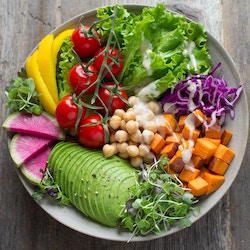
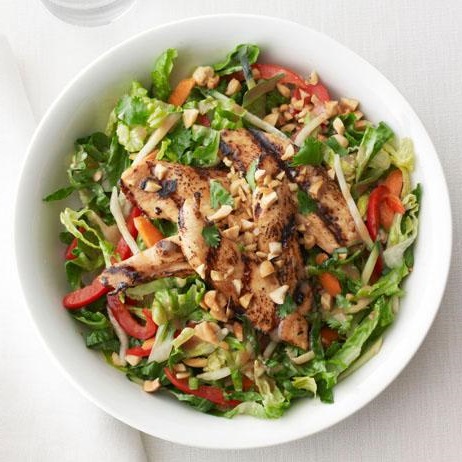
Mixed Salad
Vegetables are rich sources of potassium, dietary fiber, folate, vitamin A, and vitamin C.
Nutrition: 190kcal

Vegetarian Pizza
The taste is similar to a regular one, but it is a healthier version.
Nutrition: 440kcal

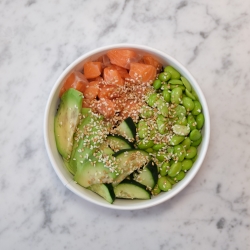
Salmon Taco
Give Mexican food lovers an entirely new experience.
Nutrition: 414kcal
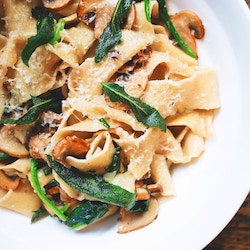
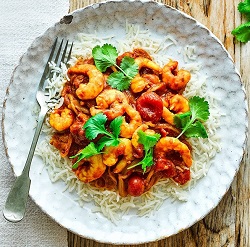
Vegetarian Pasta
Maintain the original taste while cutting calories.
Nutrition: 592kcal

Half-fired Beef Meatballs
Using olive oil instead and only small amount for seasoning to keep the orignal flavour.
Nutrition: 400kcal

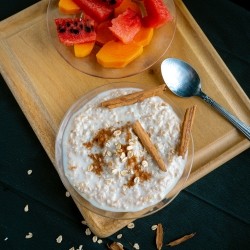
Fruit Toast with Zero Calories Syrup
A simple breakfast that easy to make when you have a busy day.
Nutrition: 172kcal
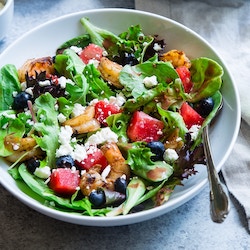
Fruit Salad with Parmesan Cheese
Refill the freshness inside you with a bowl of delicious salad.
Nutrition: 250kcal
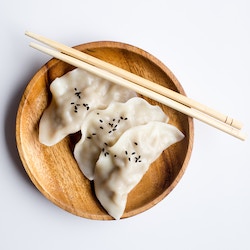
Chicken Breast Dumplings
Chicken breast is low in fat and a good source of protein.
Nutrition: 190kcal














Daily Fact About Food Around You
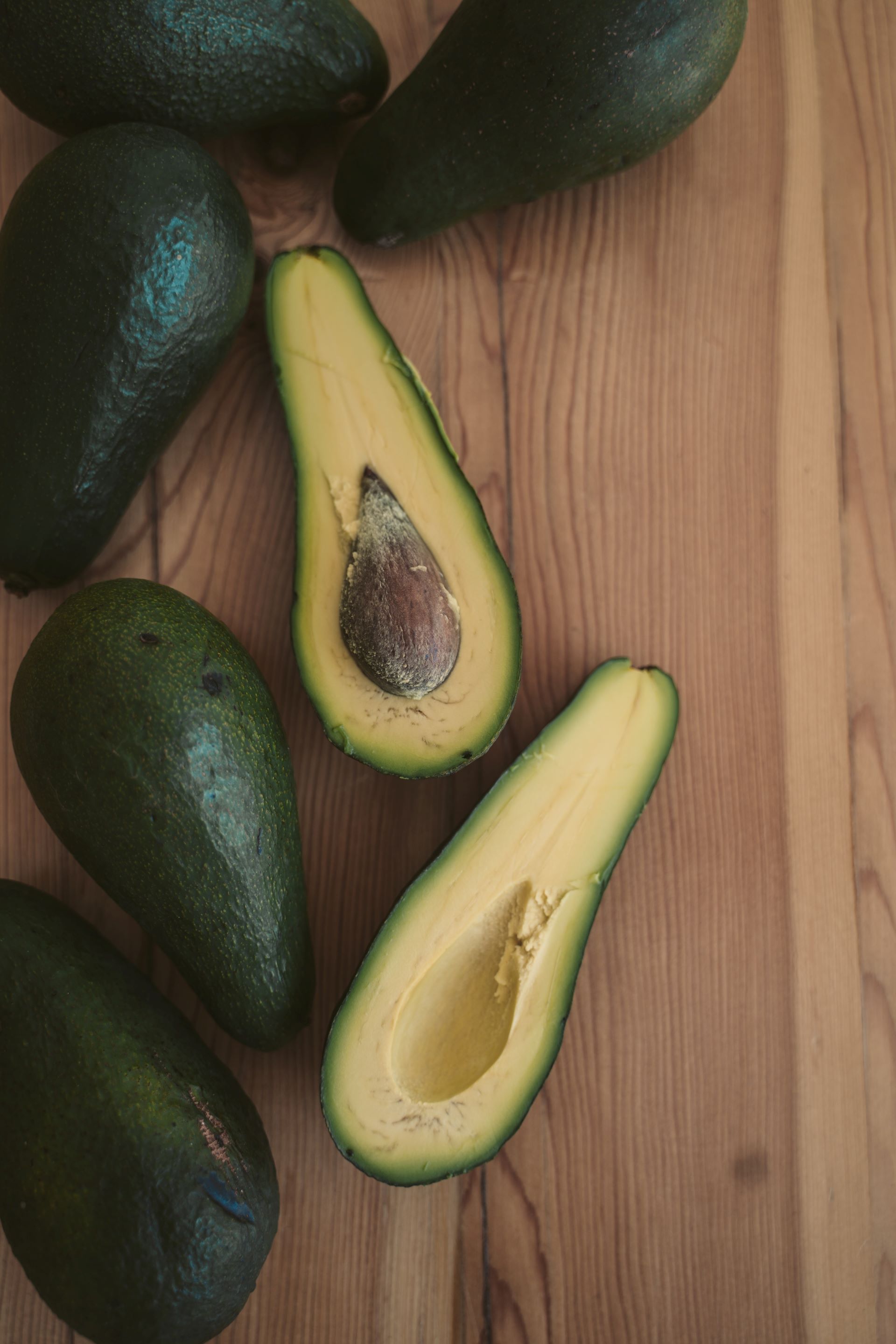
Avocados or “alligator pears” are known for their creamy smooth flesh and bumpy skin. They are a popular food across many cultures.
They contain several nutrients including carotenoids, monounsaturated fats, potassium, and fiber that have been associated with a reduced risk of chronic diseases, especially when included as part of a balanced nutritious diet.
A whole medium avocado contains about 240 calories, 13 grams carbohydrate, 3 grams protein, 22 grams fat (15 grams monounsaturated, 4 grams polyunsaturated, 3 grams saturated), 10 grams fiber, and 11 milligrams sodium. Along with their low sodium levels, avocados contain no cholesterol.
Read More
How Does Food Impact Health?
The food we eat gives our bodies the "information" and materials they need to function properly. If we don't get the right information, our metabolic processes suffer and our health declines.
In short, what we eat is central to our health. Consider that in light of Webster's definition of medicine: "The science and art dealing with the maintenance of health and the prevention, alleviation, or cure of disease."
Read More
A Brief About Clean Eating
Generally, clean eating is assumed to refer to foods that are as close to their natural state as possible, maybe organic, and most likely with minimal use of any chemical additives and preservatives.
A clean diet may include whole fruits, vegetables, lean proteins, whole grains, and healthy fats while limiting highly processed snacks and other packaged foods with added sugar and salt.
Read More
What Are the Benefits of Clean Eating?
Whether you're hoping to lose weight or simply maintain your health as you age, clean eating is a key component of a healthful lifestyle.
Cutting unhealthy foods out of your diet offers a multitude of benefits, as the compounds found in unhealthy, processed foods can increase your disease risk.
Instead, load up your diet with minimally processed, whole foods, such as whole grains, veggies, fruits, nuts, legumes, fatty fish and lean meats. This not only provides nutrients to support healthy cell function but also helps fight chronic disease.
Read More